
FCC Grade Ethanol vs USP Grade Ethanol

FCC Grade Ethanol vs USP Grade Ethanol
Understand the important differences: There are many alcohol grades sold according to different purification standards, the biggest being FCC-grade ethanol and USP-grade ethanol. Understanding those products is confusing. However, don’t worry.
The article below will teach you all you need to know about FCC and USP grade ethanol. Let’s dive in.
What is FCC Grade Ethanol?
FCC means Food Chemicals Code, and it’s a list of guidelines used to classify ethanol. Those standards help certify the purity of alcohol used in food products for human consumption.
For example, alcohol manufacturers ensure that their products’ quality and amount are up to par. And that the solvent is free from heavy metals such as mercury or trace elements such as arsenic, cadmium, or lead.
After passing the tests, producers classify the alcohol as the lowest grade product because it is free from impurities. Various industries can then use the solvent to make beverages and sanitizers and preserve baked goods.
How is FCC Grade Ethanol Used?
Food grade ethanol has its primary uses in the food, botanical oil, and essential oil extraction industries. That utility depends on the solvent’s remarkable ability to dissolve polar and non-polar substances.
The product leaves no impurities in your manufacturing process. And you’ll save costs because you can recycle ethanol. Here are examples of where companies apply FCC Grade Ethanol.
Botanical Oil Extraction
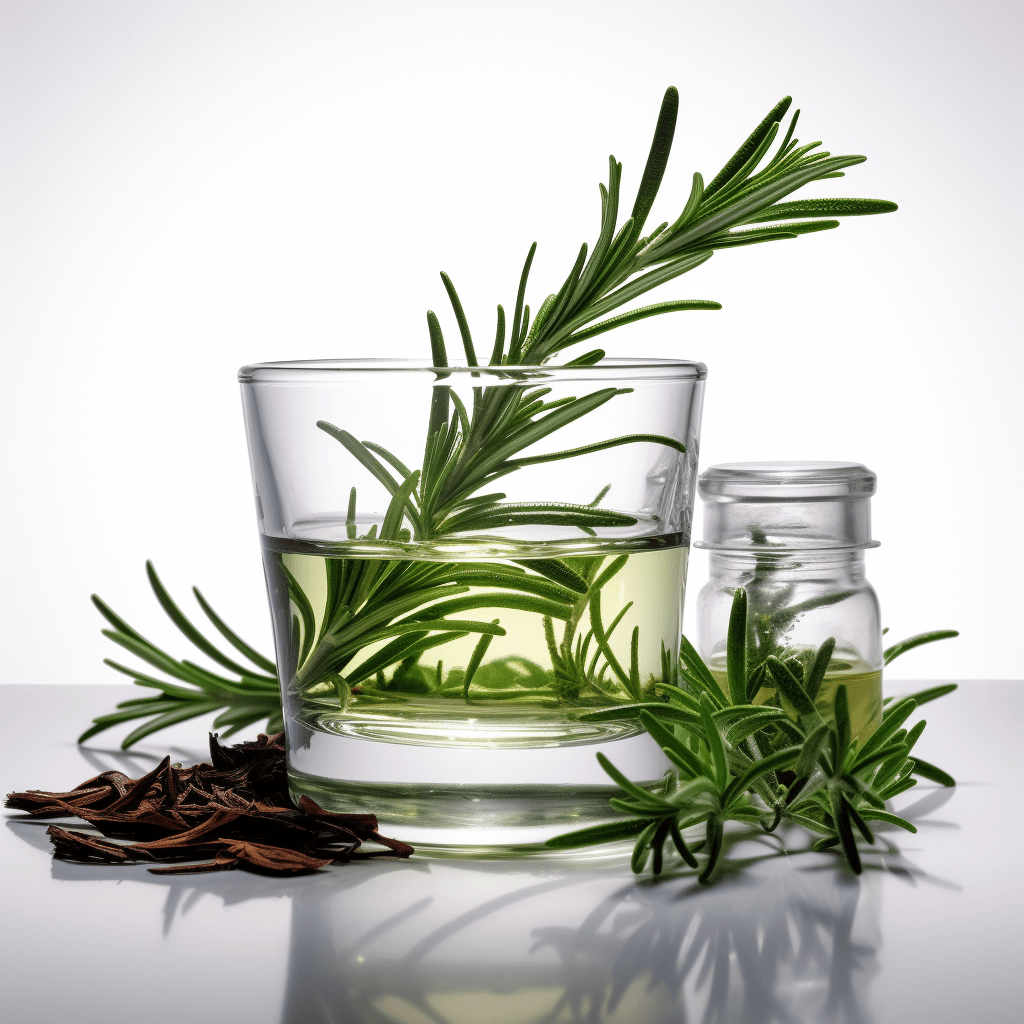
Botanical extraction companies use ethanol in the extraction and winterization processes. And through that extraction technique, they yield a high-quality product that doesn’t cause throat irritation or diminish flavor. Botanical oil manufacturers use ethanol to maintain the delicate terpenoids, flavonoids and other active ingredients.
Moreover, studies show that the solvent preserves tissues and DNA in plant materials. Consequently, users get the therapeutic benefit of ‘whole plant’ without some of the disappointing side effects.
Manufacturing Flavors and Aromas
The food industry uses FCC grade ethanol to extract and concentrate aromas and flavors. Those substances then enhance the taste and smell of foods and drinks. However, note that the end-products don’t contain any alcohol in them.
Manufacturing Alcoholic Drinks
Alcohol distillers use yeast and lactobacilli to ferment potatoes, corn grains, or grapes to make ethanol. After that process, the manufacturers use the solvent as a base to make spirits.
What is USP-Grade Ethanol?
USP means United States Pharmacopeia, and it’s a reference standard used to grade ethanol. Manufacturers of that solvent ensure that the USP Grade Ethanol passes the rigorous requirements dictated by the FDA. Those guidelines involve strict storage, inspection, and packaging procedures.
The alcohol doesn’t contain any denaturant additives such as ethyl acetate, kerosene, or isopropyl alcohol. That characteristic makes the solvent 100% pure or GRAS (Generally Regarded As Safe). And for that reason, people use the solvent to make perfumes, preserve medications, or clean medical and laboratory items.
USP-grade alcohol is a slightly expensive product. But it’s also over two times purer than laboratory or industrial-grade alcohol. Laboratory scientists further divide the USP-grade alcohol into two products;
Pharmaceutical Solvent Grade
Manufacturers make the product under more strict standards than the FCC grade ethanol. In that case, you’ll find significant differences in acetaldehyde, acetal, and fuels (oily, high-carbon ethanol). However, the US-FDA discontinued manufacturing sanitizers using the solvent on December 31, 2020.
Standard Grade: The solvent has precise amounts of acetaldehyde, acetal, and fusels. For that reason, the US FDA considers the product purer. Thus, they made it the official ingredient in manufacturing sanitizers after December 31, 2020.
How is USP-grade Alcohol Used?
Manufacturing Pharmaceuticals The product is an ingredient in making medicinal drugs such as amoxicillin, omeprazole, and gabapentin. Why? The technicians use the alcohol as a solvent and as a preservative.
Therefore, as a solvent, ethanol strengthens the efficiency of emulsifiers and ointments by enhancing the bioavailability of active ingredients. And as a preservative, USP-grade alcohol prevents bacteria-induced degradation of the medications.
Manufacturing Personal Care Products
The cosmetic industry uses the alcohol for personal care products combined with other USP-grade ingredients, such as hydrogen peroxide and glycerin. Those companies prefer using those additives because of their high purity, thus reducing the risk of spreading infections amongst customers. Examples of products with ethanol include lotions, astringents, mouthwash, etc.
Medical Cleaning Agent and First AidPhysicians and nurses use USP-grade alcohol to prevent hospital-acquired infections. They achieve that benefit by cleaning their tools with the liquid. Moreover, ethanol doesn’t damage metal or plastic tools because of its high volatility.
How does ethanol for disinfection work?
By denaturing the cell wall proteins of bacteria, fungi, and most viruses. Consequently, disregulated water entry into the germs causes lysis.
You will find the solvent in first aid kits together with hydrogen peroxide. However, you should only use the product to clean off the debris on minor wounds, thus preventing an infection.
The solvent will also help your skin lacerations heal faster because it acts as an astringent, facilitating skin contraction.
Manufacturing Sanitizers
The FDA approves the production of sanitizers containing USP-grade glycerin and ethanol. That combination provides a non-GMO hypoallergenic disinfecting agent that doesn’t cause skin irritation. And recently, in the COVID-19 pandemic, the product has saved many lives.
The best sanitizer to use is the one that contains 70% alcohol. You might think that statement is wrong and that one should use 100% ethanol for a well-disinfected surface.
But chemistry proves that the 70% solvent takes longer to evaporate and contains more water, thus allowing better penetration into the germs. Accordingly, those two properties help kill the microorganisms effectively.
Conclusion
FCC and USP grade alcohol are similar in that they are free from toxic denaturants. That feature means the solvents are fit for human consumption. And therefore, beneficial for people to make ingestible products.
The solvents have minor differences. For instance, FCC grade ethanol is the primary solvent for food and extraction industries because of its five-star purity.
In contrast, the FDA approves USP grade alcohol in pharmaceutical drugs, cosmetics, and supplement manufacturing.