

Food Grade Alcohol
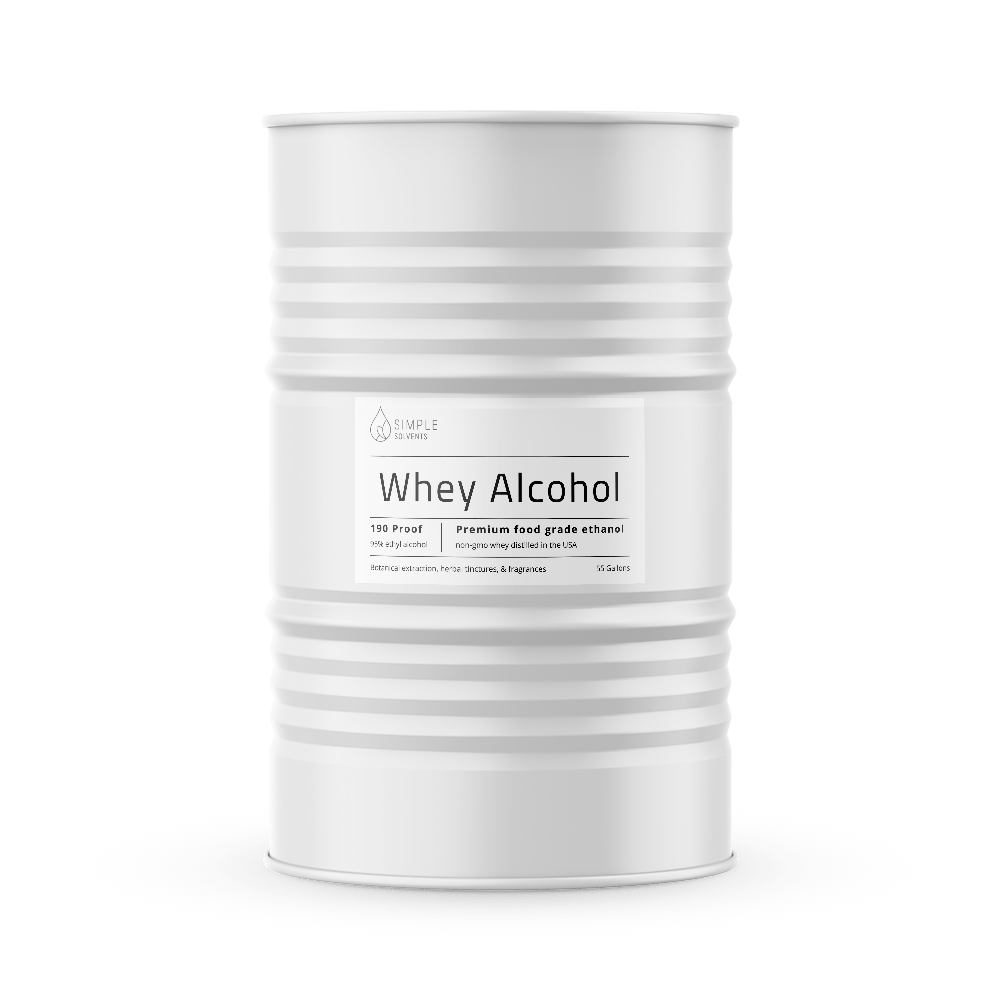
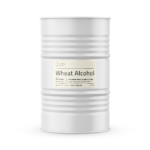
Food Grade Alcohol made from Whey. FCC Grade, Kosher Certified.
Federal excise tax included.
Real Quotes From Real People — A Rep Calls You Back Fast.
Shopping for something listed here? Add it to your cart to request a quote.
Lab Tested
Secure Payments
Quality Guarantee
Fast Delivery
Food Grade Alcohol
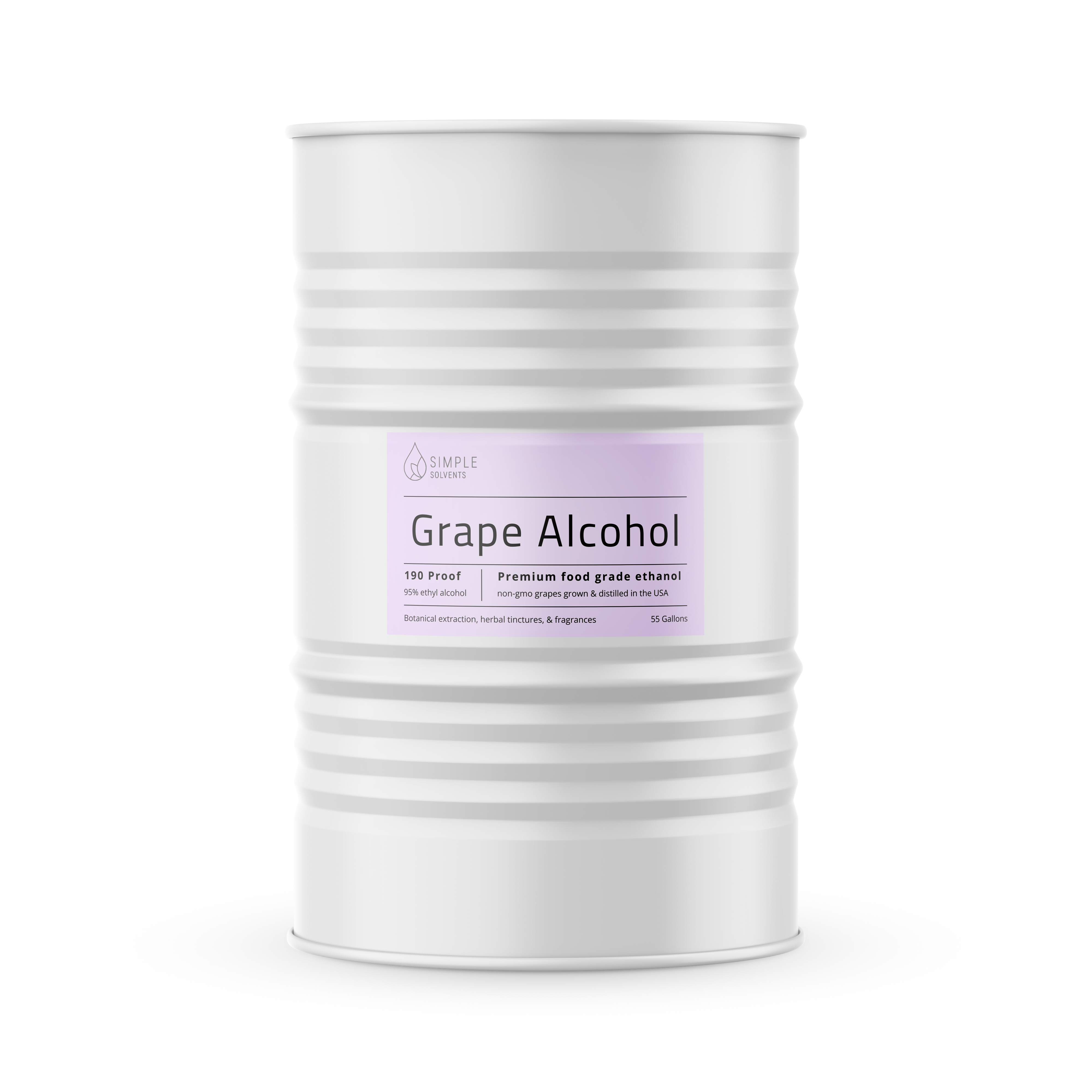
Simple Solvents offers a range of high-purity undenatured ethanol options, including alcohol derived from apple, corn, wheat, whey, sugar cane, and grapes. Each type of alcohol is produced through an eco-friendly fermentation process, ensuring quality and consistency across all varieties. Sourced from sustainable materials, these alcohols serve a variety of industries, making them versatile and reliable solvents for a wide range of applications.
Uses and Applications:
Botanical Extraction: These food-grade alcohols are highly effective in extracting essential oils, flavors, and active compounds from botanicals and plant materials. Their neutral odor ensures the preservation of the true essence of the extracts.
Culinary: Perfect for culinary uses, these alcohols are commonly employed in the preparation of flavor extracts and food-grade products, ensuring high purity and safety standards across the board.
Cultivation: In industries like cannabis and hemp cultivation, these alcohols play a crucial role in extracting valuable compounds, offering clean and efficient results that maintain product integrity.
Fragrance: Their neutral profiles make these alcohols the preferred solvents in the fragrance industry, where they blend and dilute aromatic compounds without altering scent profiles.
Industrial Alcohol: As high-purity solvents, these alcohols offer reliability and effectiveness for various industrial applications, ranging from cleaning to product formulation.
Laboratory: In laboratory settings, these alcohols are used for their high purity in experiments, extractions, and scientific processes, ensuring accuracy and dependability.
Pharmaceutical: These alcohols are key components in the production of tinctures and medicinal extracts, meeting strict standards for quality and efficacy in pharmaceutical applications.
Skincare & Cosmetics: In skincare and cosmetic formulations, these alcohols act as solvents and carriers, contributing to the creation of high-quality products due to their clean, neutral characteristics.
Product Details
- CAS Number: 67-63-0
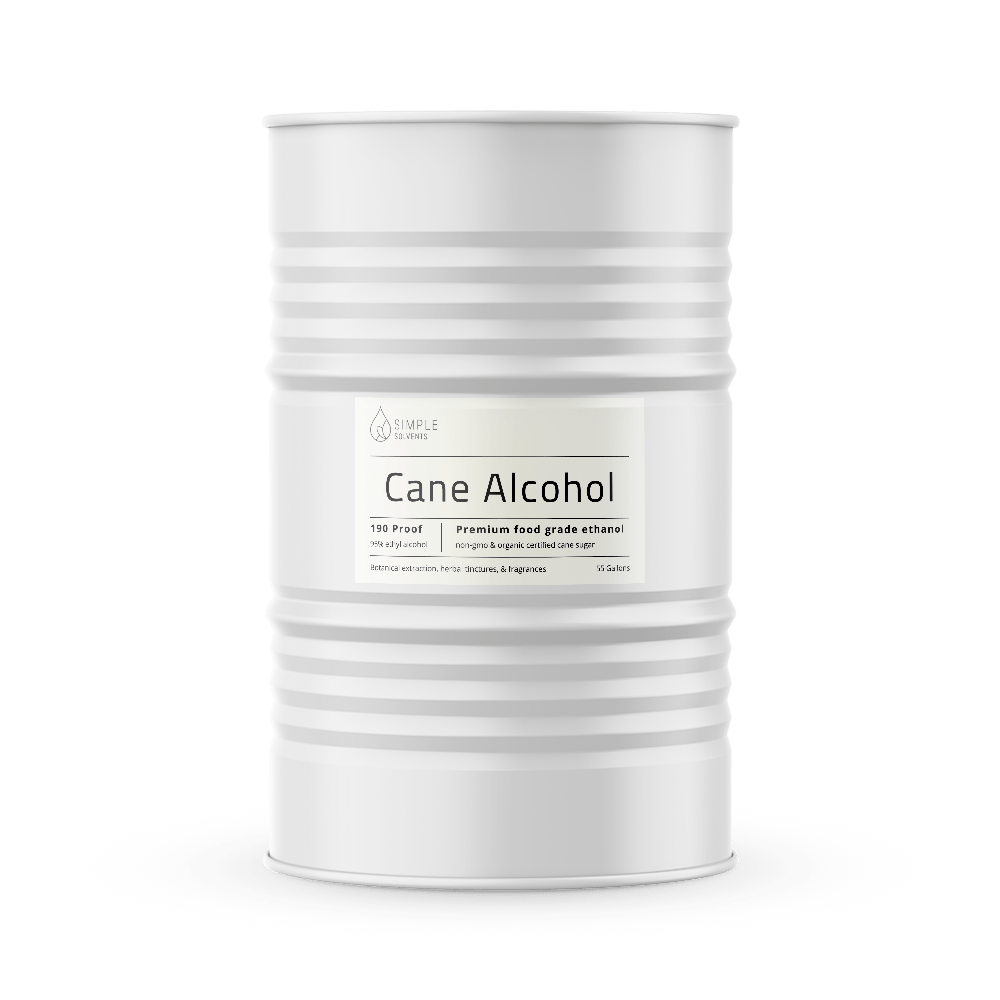
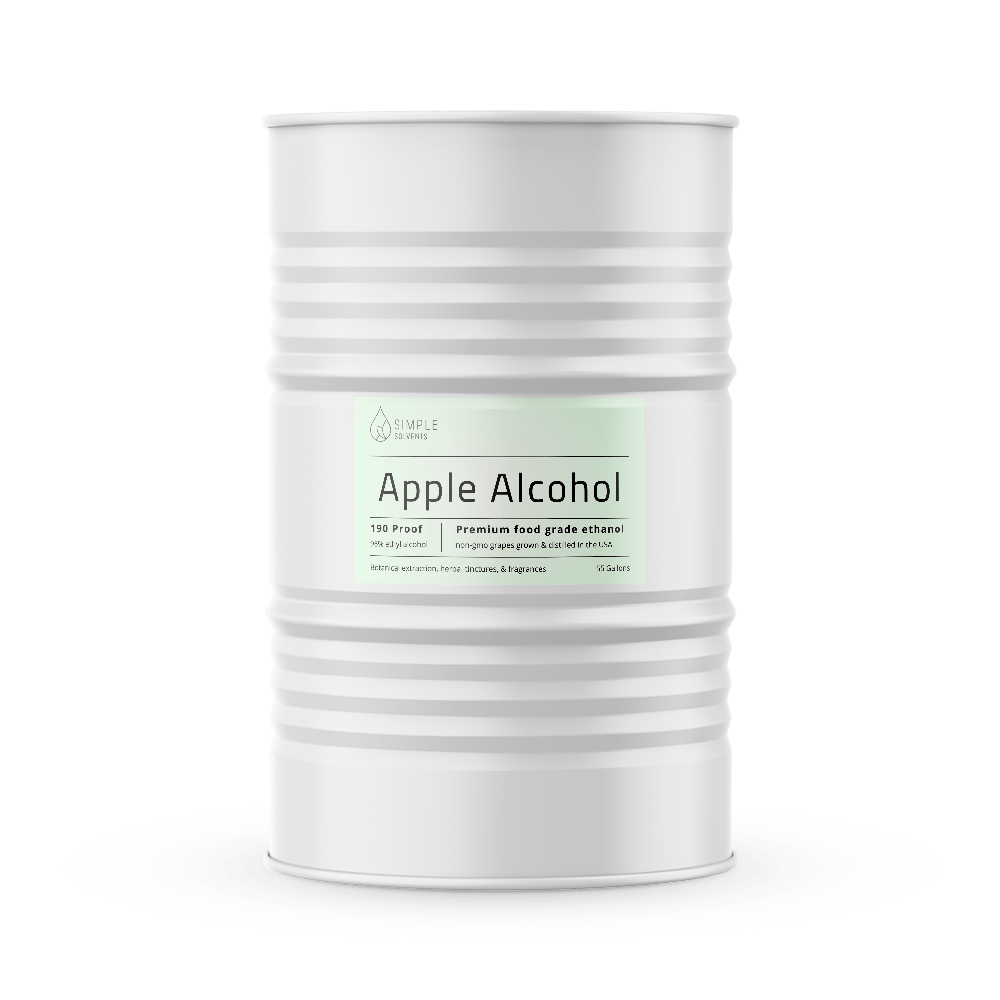
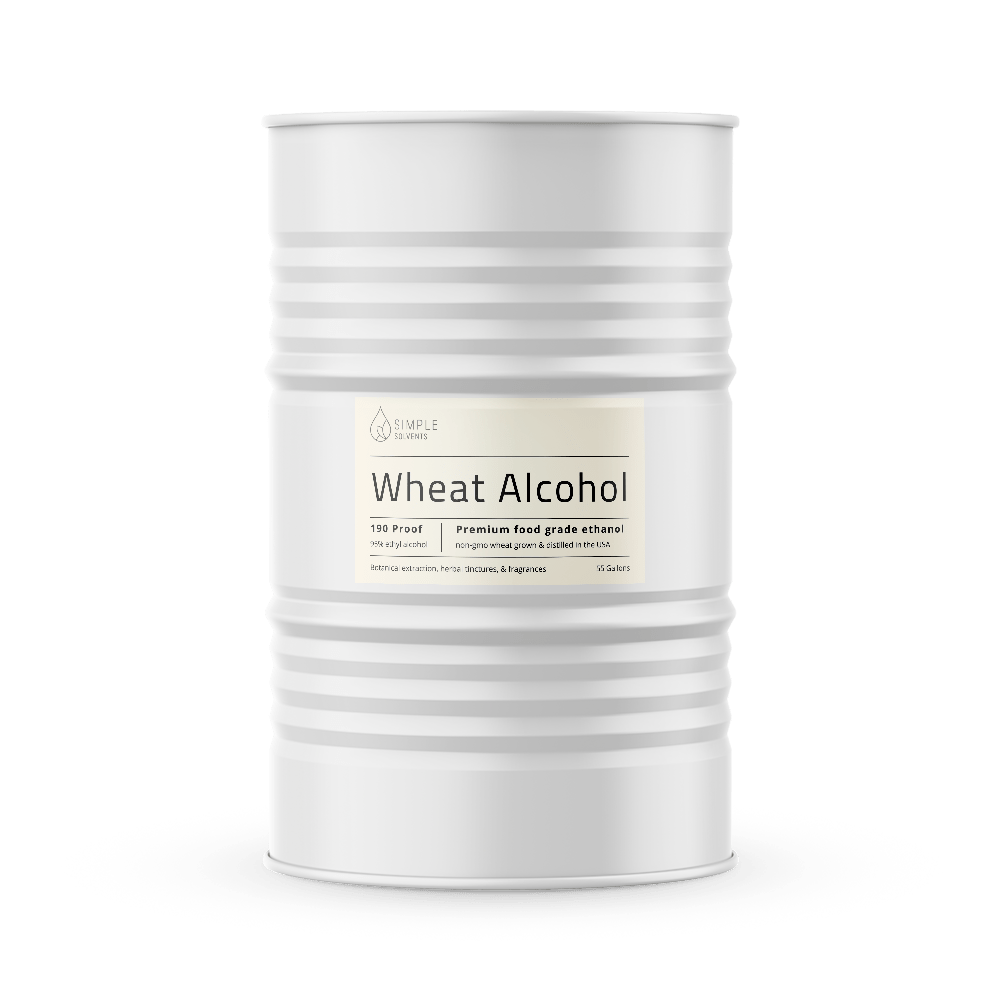
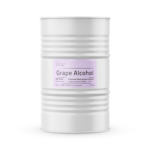
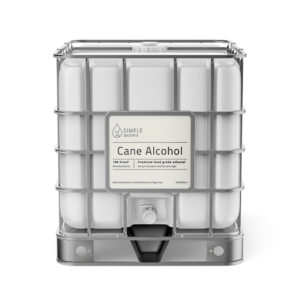
- Common Names: Apple Alcohol, Corn Alcohol, Wheat Alcohol, Whey Alcohol, Sugar Cane Alcohol, Grape Alcohol, Neutral Spirits
- Scientific Names: Ethanol, Ethyl Alcohol
Disclaimer for Purchasing Food Grade Alcohol
Important Notice:
Before purchasing food grade alcohol from Simple Solvents, please be aware of the following:
State by State Shipping Restrictions
We are unable to ship food grade alcohol to every state due to various local regulations and restrictions. It is the buyer’s responsibility to ensure that they are in compliance with their state’s specific laws and regulations regarding the purchase and use of food grade alcohol.
We have published several blogs detailing state-by-state shipping and purchasing restrictions. We encourage all buyers to review these resources to understand the specific regulations that may apply to their location.
End-User Sales Only
We sell food grade alcohol exclusively to end users. Buyers must understand and adhere to local regulations governing the use and handling of food grade alcohol in their jurisdiction.
To purchase food grade alcohol for resale, please contact us.
Federal Excise Tax and Permits
Our food grade alcohol sales include federal excise tax and does not require federal permits to purchase.
Buyers are advised to possess an industrial alcohol user or seller’s permit when purchasing any food grade or specially denatured alcohol. Compliance with all relevant permits and regulations is required.
We can accommodate transfer in bond sales for buyers who have the appropriate TTB permits upon request. Please contact us for any sales regarding zero tax sales, transfers in bond, and federal excise tax reimbursements.
Age Verification 21+
All buyers must be 21 years of age or older. Deliveries will only be made to recipients who can provide a verified signature to confirm age at the time of delivery.
By proceeding with a purchase, you acknowledge that you understand and agree to comply with these terms and conditions. If you have any questions or need assistance regarding compliance, please contact us for further information.
| Weight | 490 lbs |
|---|---|
| Dimensions | 40 × 48 × 40 in |
| ProofAlcohol proof is a measure of the strength and concentration of ethanol in alcoholic beverages or solutions. It is used to indicate the amount of ethanol present as a percentage by volume, providing an easy way to understand the potency and purity of the alcohol. Proof Calculation: In the United States, alcohol proof is calculated as twice the percentage of alcohol by volume (ABV). For example, a liquid with 50% ABV would be labeled as 100 proof. This system helps consumers and manufacturers easily compare the strength of different alcohol products. High-Proof Alcohol: Higher proof alcohol (above 100 proof) is typically used in industrial, medical, and laboratory settings, as well as for creating stronger spirits and extracts. These high-proof alcohols provide more concentrated solutions ideal for specific applications, including botanical extraction and sanitization. Low-Proof Alcohol: Lower proof alcohol (below 100 proof) is more common in beverages like wine and lower-strength spirits, where a more moderate concentration is desirable for consumption. Selecting the right alcohol proof is crucial for its intended use, whether it\'s for food and beverage production, extraction processes, or industrial purposes. Our range of alcohols is available in various proofs to meet your specific needs. | 190 Proof, 200 Proof |
| Alcohol TypeAlcohol type indicated the plant used to make the alcohol. | Apple, Corn, Grape, Sugar Cane, Wheat, Whey |
| GradeOur comprehensive range of chemical and food ingredients comes in various grades, ensuring that you have the right product for every application. Each grade reflects a level of purity and suitability for specific uses, from laboratory experiments to food production and personal care products. USP Grade (United States Pharmacopeia): This pharmaceutical-grade standard ensures ingredients meet the strictest quality, purity, and safety criteria, making them ideal for medical and healthcare applications. Food Grade: Certified safe for use in food production, our Food Grade ingredients comply with regulatory standards for human consumption. FCC Grade (Food Chemicals Codex): Ingredients classified under FCC Grade meet the safety, identity, and purity requirements for use in food, beverages, and dietary supplements. USP / FCC Grade: Dual-compliant ingredients that adhere to both USP and FCC standards, ensuring the highest quality for both pharmaceutical and food-related applications. Technical Grade: Suitable for industrial applications, Technical Grade products are not intended for consumption but are perfect for manufacturing, cleaning, and processing needs. ACS Grade (American Chemical Society): Trusted for laboratory and research purposes, ACS Grade chemicals meet high purity standards, making them ideal for precise and controlled scientific experiments. Lab Grade: These versatile chemicals are suitable for general laboratory work where high levels of purity are not mandatory but still necessary for accuracy. NF Grade (National Formulary): Ingredients classified as NF Grade meet the rigorous standards of the National Formulary, ensuring they are suitable for pharmaceutical applications, particularly in the formulation of excipients. Whether you\'re manufacturing food, conducting laboratory experiments, or producing pharmaceuticals, our diverse selection of grades ensures you’ll find the exact quality and compliance you need for any project. | FCC Grade, Food Grade |
| SizeWe offer a wide range of packaging sizes to meet your specific requirements, whether you need small quantities for testing or large volumes for manufacturing. Our flexible packaging options ensure you can find the right size for your operational scale, from small batches to full-scale production. 1 Gallon: Ideal for smaller projects, lab work, or testing new formulations, this size offers convenience and precision without excess waste. 5 Gallon: Perfect for medium-scale operations, this size is commonly used in research labs, small production runs, and craft industries. 55 Gallon: A go-to option for larger production needs, our 55-gallon drums provide a practical solution for manufacturers and processors looking to scale up while maintaining efficiency. 270 Gallon: For high-volume applications, this large-capacity option ensures cost-effectiveness and reduced downtime for refilling, making it ideal for large-scale industrial, food, and beverage production. Bulk: For operations that require the highest volumes, we offer bulk packaging solutions tailored to your needs. Whether you need tankers or custom bulk deliveries, we can provide scalable options to support your growing demands. Each packaging size is designed with durability and ease of handling in mind, ensuring safe transport and storage. Choose the size that fits your needs and enjoy the convenience of high-quality products delivered in the quantities that best suit your business. | 270 Gallon Tote, 55 Gallon Drum |
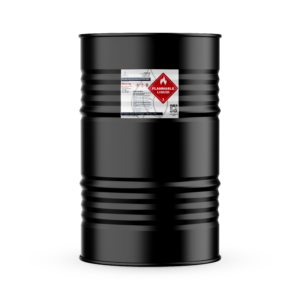
When dealing with class 3 hazardous materials like certain solvents, it's crucial to prioritize safety at every step, from purchasing to shipping and receiving. At Simple Solvents, we take care of all aspects of delivery, ensuring that our customers receive their products safely and in compliance with regulations. Here are some essential safety precautions and information needed for handling these materials responsibly:
Safety Data Sheets (SDS): Customers can access Safety Data Sheets (SDS) for all our products, which provide essential information about the chemicals, including hazards, handling procedures, and emergency measures.
Understanding Hazards: While we handle the hazardous materials, it's important for customers to understand the specific hazards of the products they are purchasing, such as flammability or reactivity, and how to mitigate them in case of emergencies. Always read the safety data sheet before buying, using, storing and disposing chemicals.
Transportation Compliance: Our operations adhere to the Department of Transportation (DOT) regulations for shipping hazmats. Be sure to communicate with your local authorities regarding permits and regulations for buying, storing, using, and disposing of chemicals.
Proper Packaging: We use approved containers, labeling, and packaging materials to prevent leaks, spills, or accidents during transit, ensuring that hazardous materials are delivered safely.
Storage Considerations: Always store hazardous materials in designated areas with proper ventilation, temperature controls, and secondary containment measures to prevent accidents and minimize risks during transportation / storage.
Disposal Procedures: Be sure to understand proper disposal procedures and regulations that are unique to your location.
Emergency Response Plan: Always be equipped with a comprehensive emergency response plan, including procedures for spills, leaks, fires, and injuries related to hazardous materials, to ensure swift and effective response in case of emergencies.
Continuous Monitoring: Regularly monitor and inspect your storage areas, equipment, and handling practices to identify and address potential safety hazards promptly.
- solvent supply made easy
Material Safety Best Practices
When purchasing, using, shipping, storing, or disposing of Simple Solvents’ products, including flammable liquids and solvents, please be aware of the following important considerations and best practices:
Some Simple Solvents products are class 3 hazardous materials and are highly flammable. They may pose significant risks if not handled correctly. Always use these materials in well-ventilated areas away from heat sources, sparks, or open flames. Wear appropriate personal protective equipment (PPE), including gloves and safety goggles, to minimize exposure.
Proper Handling
Exercise caution when handling to prevent spills, leaks, or accidents. Use spill containment measures and follow the safety data sheet for safe handling. Do not tip packaging during transit or storage – keep the product vertical at all times.
Shipping and Storage
Ensure compliance with Department of Transportation (DOT) regulations for the shipping. All shipments must be made to a commercial address with proper labeling and documentation. Store these materials in secure, cool, and dry conditions away from incompatible substances. If the product is hazardous as indicated on the SDS, consult with your local fire marshal regarding storage allowances and local restrictions to ensure compliance with regional safety regulations.
Disposal
Follow local, state, and federal regulations for the disposal of chemical materials. Properly dispose of unused or expired products through certified disposal facilities or programs. Do not dispose in regular trash or down drains.
Emergency Procedures
In case of an emergency, such as a spill, leak, or exposure, immediately follow the appropriate emergency response protocols. Evacuate the area if necessary and contact emergency services for assistance. Use spill containment kits to manage and contain leaks, and refer to the Safety Data Sheet (SDS) for specific first aid measures and response instructions.
Regulatory Compliance
Familiarize yourself with relevant regulations and safety data sheets (SDS) for the materials you are handling. Ensure adherence to all legal and safety requirements to protect yourself and others. Every state and locality may have additional rules & regulations.
By following these guidelines, you can help ensure the safe and responsible use of Simple Solvents products. Always prioritize safety, emergency preparedness, and regulatory compliance in all aspects of handling and disposal.
Recommended Products
How to Buy Food Grade Ethanol in Wisconsin
Quick Answer: Buying Food-Grade Ethanol in Wisconsin for Business Use Short answer: a state permit is generally required. For industrial
How to Buy Food Grade Ethanol in Tennessee
Quick Answer: Buying Food-Grade Ethanol in Tennessee for Business Use Short answer: confirm with us first. We could not verify
How to Buy Food Grade Ethanol in Mississippi
Quick Answer: Buying Food-Grade Ethanol in Mississippi for Business Use Short answer: a state permit is generally required. For industrial
How to Buy Food Grade Ethanol in South Dakota
Quick Answer: Buying Food-Grade Ethanol in South Dakota for Business Use Short answer: yes. For industrial and business-to-business (B2B) use,
How to Buy Food Grade Ethanol in Michigan
Quick Answer: Buying Food-Grade Ethanol in Michigan for Business Use Short answer: a state permit is generally required. For industrial
How to Buy Food Grade Ethanol in Rhode Island
Quick Answer: Buying Food-Grade Ethanol in Rhode Island for Business Use Short answer: yes. For industrial and business-to-business (B2B) use,